Yaskawa Motoman: Small, Versatile and Extremely Fast GP4 Robot Expands Capability of GP-Series Line
MC-5-Yaskawa-GP4Robot-400.jpg

April 1, 2021

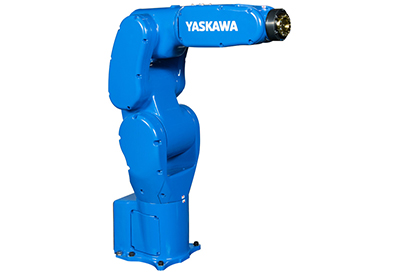
Extremely fast for maximum throughput, the highly precise GP4 robot is equipped with a 4 kg payload for high-volume small component processing. Axis speeds up to 1,000 degrees/s and incredibly fast acceleration/deceleration control for all robot positions optimize overall productivity. This model provides extremely agile operations for a wide range of applications including assembly, handling, machine tending and packaging.

Highly flexible, the GP4 offers a wide work area for its size, making it a viable six-axis alternative to SCARA-style robots typically used in the electronics, confectionery and small parcel sortation industries. The GP4 features a 1,008 mm vertical reach, 550 mm horizontal reach and ±0.01 mm repeatability. A high wrist allowable moment enables accurate and repeatable handling.

A compact footprint and slim body design allow for minimum installation space and minimize interference with peripheral devices. This enables the GP4 to be placed in close proximity to workpieces and other robots to create flexible, high-density layouts.

An IP67 rating and easy-to-clean surface facilitate use in sanitary or harsh environments, and an anti-corrosive paint option is available for further chemical resistance.

Installation is quick and efficient. A single cable is all that is needed to connect the manipulator to the controller, resulting in easy setup and reduced expenses for maintenance and spare parts inventory. An optional location (bottom) for the manipular cable connection reduces interference with walls.

The smallest robot in the GP-series product line, the GP4 is compatible with the YRC1000 controller or the ultra-compact, yet powerful YRC1000micro controller, and utilizes a lightweight standard teach pendant with intuitive programming.
Source

Related Articles


Latest Articles

  • What Is Regenerative Braking?

    December 9, 2025 Regenerative braking is a system that converts kinetic energy – normally lost as heat during braking – into electrical energy that can be stored or reused. Instead of using friction brakes to dissipate energy, the motor functions as a generator during deceleration, reversing the flow of current. The rotational energy from the… Read More…

  • Cyber Resilience Act: Insights from Pilz

    December 4, 2025 The Cyber Resilience Act brings with it a host of new requirements. Which requirements will apply in future? From 11 December 2027, only products that comply with the requirements of the Cyber Resilience Act (CRA) may be placed on the market within the European Union. The CRA contains requirements for the cybersecurity of… Read More…


Featured Article

Revolutionizing Material Movement with Autonomous Mobile Robots

Revolutionizing Material Movement with Autonomous Mobile Robots

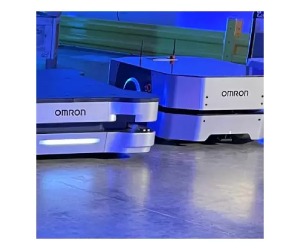
In today’s fast-paced manufacturing and logistics industries, the need for efficient and flexible material movement solutions has never been greater. Traditional methods like conveyor systems, forklifts, and manual pushcarts have served us well, but they come with limitations.

That’s why Omron is thrilled to announce the launch of their game-changing MD Series of Autonomous Mobile Robots (AMRs). Read more


Products

  • Schneider Electric Debuts One Digital Grid Platform to Help Utilities Modernize and Address Energy Costs

    December 12, 2025 Schneider Electric, a global energy technology leader, announced the availability of its One Digital Grid Platform, a unified, artificial intelligence AI-enabled software platform designed to help utilities modernize faster, strengthen grid resilience and reduce energy costs. The platform was launched simultaneously in Spain at Enlit Europe, attended by more than 15,000 professionals from… Read More…

  • A One-Stop Shop: Pilz Machine Acceptance Service

    December 10, 2025 Design Risk Assessment, Factory Acceptance Test and Site Acceptance Test Key phases of the design, manufacture and supply of plant and machinery are based on different legal and normative requirements. For this reason, it is important that all legal requirements are met at these points, before the plant/machinery is transferred to the next phase. The legal provisions vary from country… Read More…