All-in-One Automation Platform: Enabling Data-Driven IIoT with Deterministic Motion Control and Cybersecurity
February 12, 2024
As the industrial internet of things (IIoT) continues to gain momentum, original equipment manufacturers (OEMs) and system integrators (SIs) are faced with the challenge of implementing data collection systems without compromising deterministic motion control or cybersecurity, In this article, Omron explores how all-in-one automation platforms can address these concerns, allowing OEMs and SIs to meet customer demands, achieve cost-effective data harvesting, and avoid hidden manufacturing costs.
The Importance of Reliable Data Collection
To leverage the benefits of data collection, OEMs and SIs must ensure that the data gathered is reliable, accurate, and robust. Time-synchronized data provides multiple perspectives of the manufacturing environment, enabling downstream customers to establish a baseline of performance and set achievable improvement goals. Key performance indicators derived from this iinformation offer valuable insights into long-term performance trends, helping identify root problems and drive tangible improvements. Efficient network scaling, network segmentation, and the use of industrial protocols like EtherCAT® and EtherNET I/P™ can ensure the seamless delivery of data without compromising network performance or machine precision.
Maintaining Cybersecurity in Data Collection
With the increasing frequency and severity of cyber threats, it is crucial to implement data gathering practices that prioritize cybersecurity. By leveraging on-edge computing, secure programmable logic controller data transmission, and network segmentation, OEMs and SIs can decrease the probability and severity of cyber threats. Segregating operational technology networks from information technology networks and implementing physical barriers can prevent unauthorized access and protect intellectual property. All-in-one automation platforms offer integrated solutions that consolidate information within the operational technology system, minimizing vulnerabilities and reducing the overall cost of system design and maintenance.
The Cost-Effectiveness of All-in-One Automation Platforms
Data acquisition is a significant investment for manufacturing firms, and it is essential to weigh the costs against potential efficiency gains and the firm’s cost of capital. While single-purpose data collection products may seem cost-effective initially, they often fail to meet cybersecurity standards and network efficiencies, leading to additional costs for integrators.
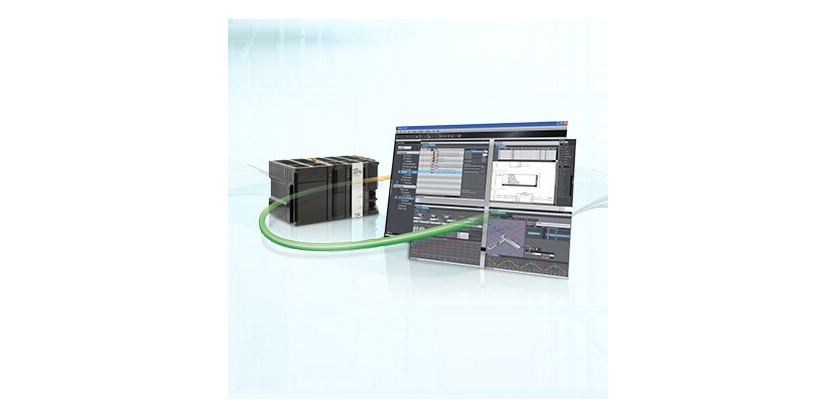
All-in-one automation platforms provide a holistic approach to data collection, integrating data, control, motion, safety, vision, and robotics into a single high-performing cell. These platforms offer simplified architecture, quicker development time, and comprehensive diagnostic capabilities, allowing for efficient change implementation without additional license fees. Scaling the implementation of all-in-one platforms across multiple machine cells and manufacturing lines enables firms to spread capital projects over time, benefiting from network advantages and economies of scale.
The Role of All-in-One Automation Platforms in IIoT
All-in-one automation platforms offer a comprehensive solution for OEMs and SIs to embrace the potential of IIoT. By integrating various automation components into a single platform, these solutions enable seamless data collection, deterministic motion control, and enhanced cybersecurity. The convergence of data, control, motion, safety, vision, and robotics in a unified software environment empowers OEMs and SIs to develop and deploy high-performing machines with ease. The simplified architecture and simulation capabilities of these platforms facilitate quicker development cycles and efficient troubleshooting, minimizing downtime and maximizing productivity.
Furthermore, all-in-one automation platforms provide a scalable solution for OEMs and SIs. By starting with a single machine or cell, manufacturers can gradually expand the implementation of these platforms across their entire facility. This approach allows for the spreading of capital projects over multiple fiscal years, optimizing budget allocation and leveraging the benefits of network integration and hardware bundling economies of scale.
In the era of IIoT, OEMs and SIs must embrace data collection while ensuring deterministic motion control and cybersecurity. All-in-one automation platforms offer a comprehensive solution that enables reliable source collection, real-time network determinism, and increased cybersecurity. By adopting these platforms, OEMs and SIs can not only meet customer demands but also gain a competitive advantage in the market. With the ability to harvest this information effectively, OEMs and SIs can drive meaningful change and optimize their manufacturing processes while avoiding hidden costs and maintaining the security of their systems.
Related Story
Traceability 4.0. How Omron Can Help You Get More Out of Your Digital Transformation
Traceability is necessary to verify that proper materials, quality, testing, and assembly have been completed. It helps maintain brand loyalty via customer transparency, and it provides information about product quality and supply chain. Traceability can provide a staggering number of information points, and it can be challenging to know how to best make use of this information.